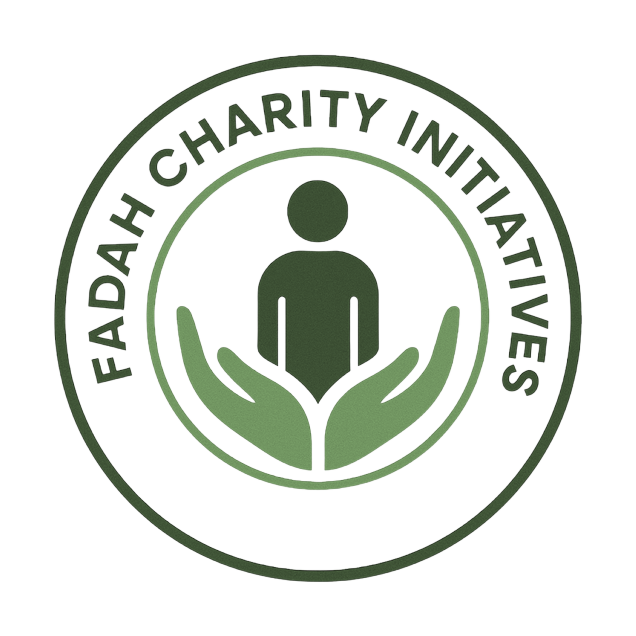
trained community volunteers
National NGO | Nigeria
Community-led humanitarian action for vulnerable families.
Fadah Charity Initiatives provides inclusive, timely, and practical support to internally displaced persons, returnees, and host communities, beginning in Dikwa, Borno State.
Founded 2024
CAC No. 7639255
Local volunteer model
0
community members engaged through dialogue and planning sessions
current intervention locations in Dikwa
community dialogue sessions
community planning meetings
Organizational overview
Built by experienced aid workers, rooted in local realities.
Fadah Charity Initiatives was founded by more than 30 aid workers with senior and field-level experience in national and international humanitarian agencies. The organization focuses on transparent, practical, and community-driven support.
FCI began its operations in Dikwa Local Government Area and has prioritized community ownership, program quality, local volunteers, and field-based teams to strengthen trust in underserved areas.
Accountability
Community Ownership
Inclusiveness
Transparency
Professionalism
Mission
To provide inclusive, timely, and community-driven humanitarian and development services that improve lives, restore dignity, and strengthen resilience.
Vision
A resilient and inclusive community where vulnerable people live in dignity, access essential services, and shape their own futures.
Programmatic focus
Five integrated thematic areas
FCI designs interventions around assessed needs, community feedback, and coordination with government and humanitarian actors.
Health & Nutrition
Disease prevention awareness, maternal and child health promotion, malnutrition screening, and referral support for vulnerable groups.
WASH
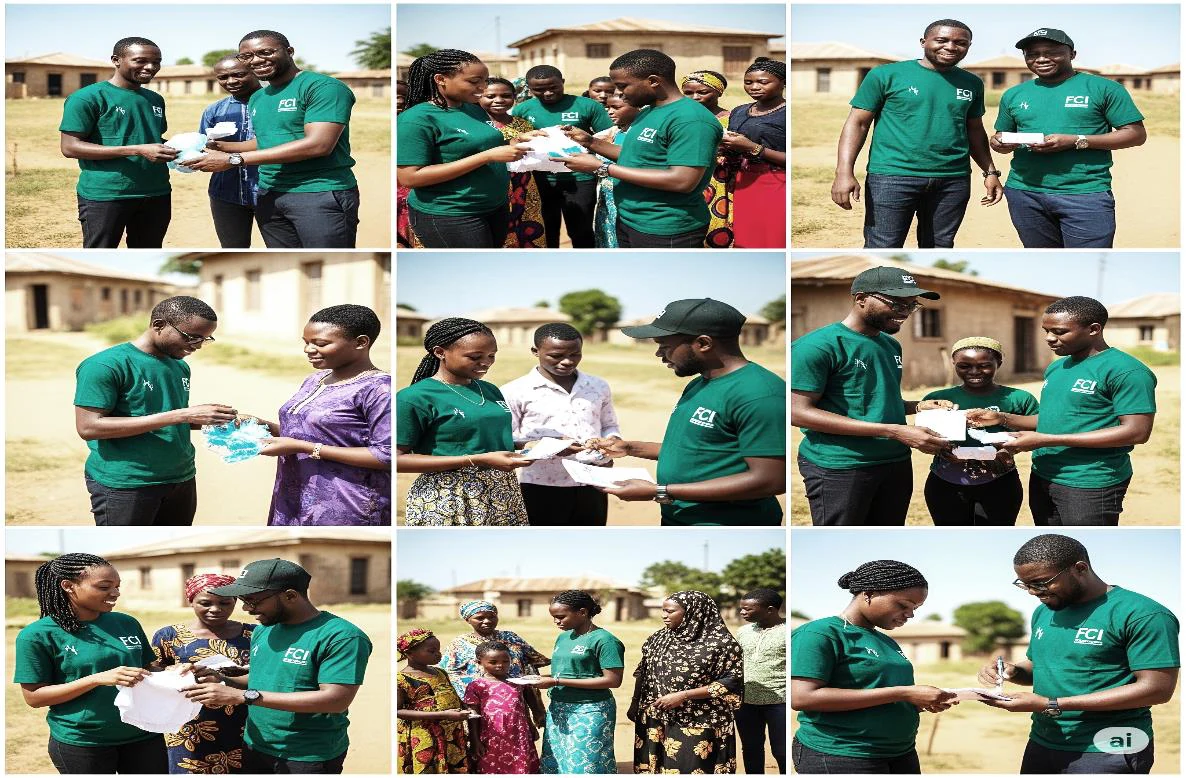
Hygiene promotion, safe water handling, menstrual hygiene education, hygiene kit distribution, and water point rehabilitation.
Food Security & Livelihoods
Food support, small-scale agricultural inputs, and basic vocational skills that reduce dependence on aid and support early recovery.
Protection
Awareness on child protection, GBV, safety, psychosocial support, inclusion, and strengthened local referral pathways.
Education
Learning kits, community-based teaching sessions, and parent engagement for displaced and out-of-school children.
Operational footprint
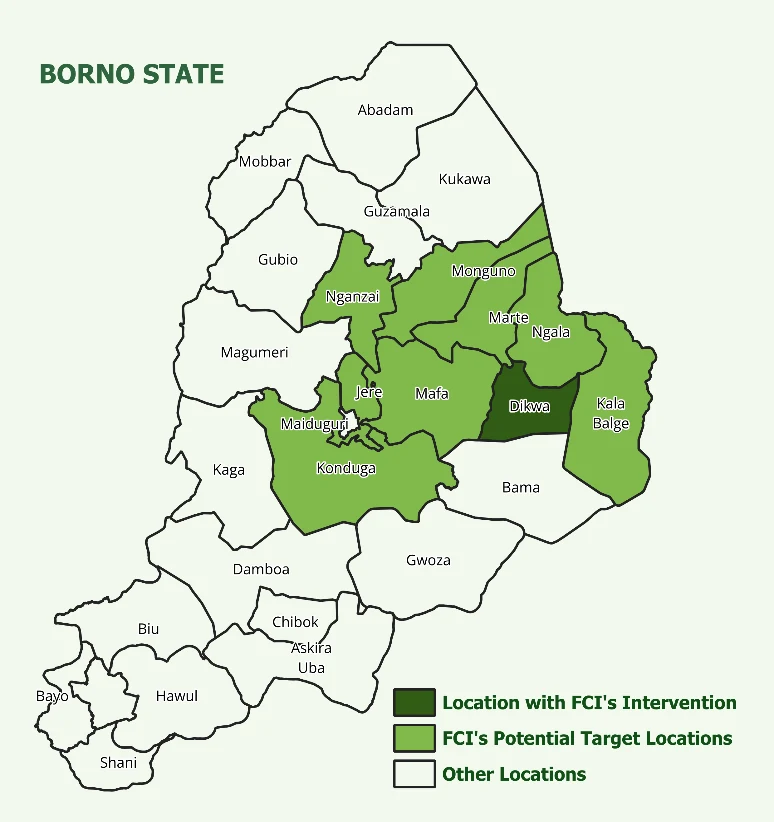
Currently active in Dikwa, with phased expansion planned.
FCI operates from a field office in Dikwa Town, Borno State. The organization delivers services across Masarmari, Agric Camp, Shuwari, Mudu Kaza, Sangaya, and Motorpark.
Potential expansion LGAs include Mafa, Ngala, Marte, Kala/Balge, Monguno, Jere, Nganzai, and Konduga. Expansion will follow needs assessment, access feasibility, risk analysis, and coordination with key stakeholders.
Operational impact
Accountability starts with listening.
FCI centers community engagement, functional feedback channels, trained volunteers, and sustainability planning in every activity.
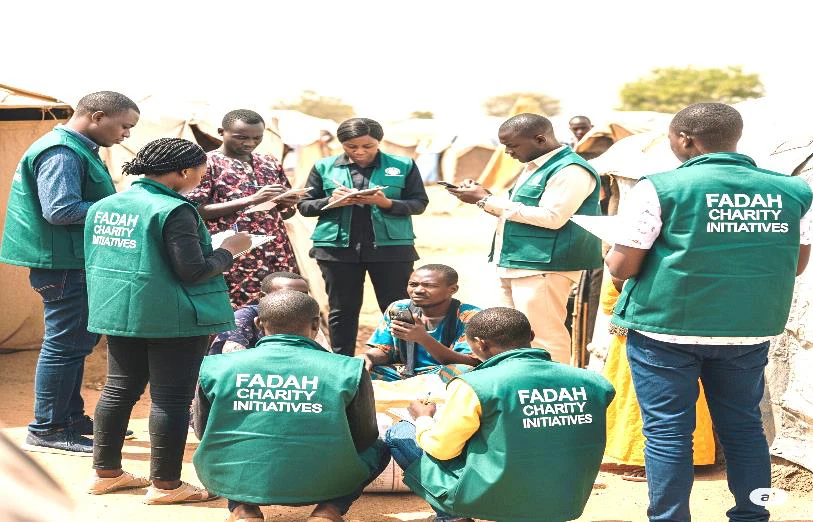
Community engagement
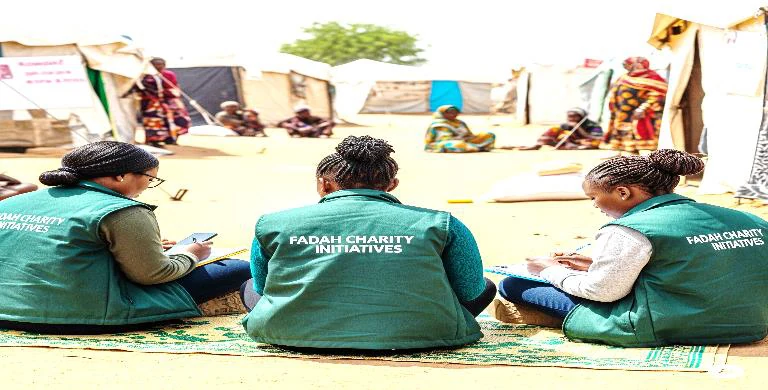
Local leaders, women’s groups, youth representatives, and persons with disabilities help identify needs, plan activities, and monitor progress.
Community feedback
Help desks, suggestion boxes, and structured feedback sessions collect concerns and recommendations during and after activities.
Volunteer mobilization
Community volunteers support hygiene promotion, sensitization, learning kit distribution, awareness sessions, and data collection.
Sustainability
FCI works with local structures and service providers to strengthen ownership, maintain practices, and reduce long-term dependency.
Management structure
Streamlined governance for fast, accountable implementation.
The organization is led by a three-member Board of Directors composed of the CEO, Program Director, and Support Director.
Board of Directors
Chief Executive Officer
Program Director
Health & NutritionWASHProtectionFood Security & LivelihoodsEducationMEAL Officer
Support Director
HR & AdminLogistics & Supply ChainFinance & ComplianceSafety & Security
Program Department
Plans, implements, monitors, and reports sectoral interventions through Program Officers, MEAL staff, field teams, and trained volunteers.
Support Department
Manages finance, HR, logistics, procurement, administration, and compliance to keep field delivery efficient and transparent.
Field Implementation Teams
Community volunteers deliver daily field activities under Program Officer supervision, improving access, trust, and local ownership.
Strategic partnerships
Collaboration with government, communities, UN agencies, INGOs, and NGO coordination platforms.
FCI works with local authorities, community structures, sector coordination groups, and humanitarian actors to align interventions, avoid duplication, and strengthen referrals.
Government collaboration
Regular engagement with the Local Government Council, traditional leaders, service departments, and Borno SEMA.
UN agencies & INGOs
Active participation in field-level coordination, joint assessments, and technical discussions where possible.
Local partners
Women’s groups, youth associations, religious leaders, camp committees, and informal networks help co-design and monitor activities.
NGO platforms
Sector meetings and working groups support information sharing, learning, referrals, and coordinated response planning.
Quality assurance
MEAL, compliance, and risk controls are built into delivery.
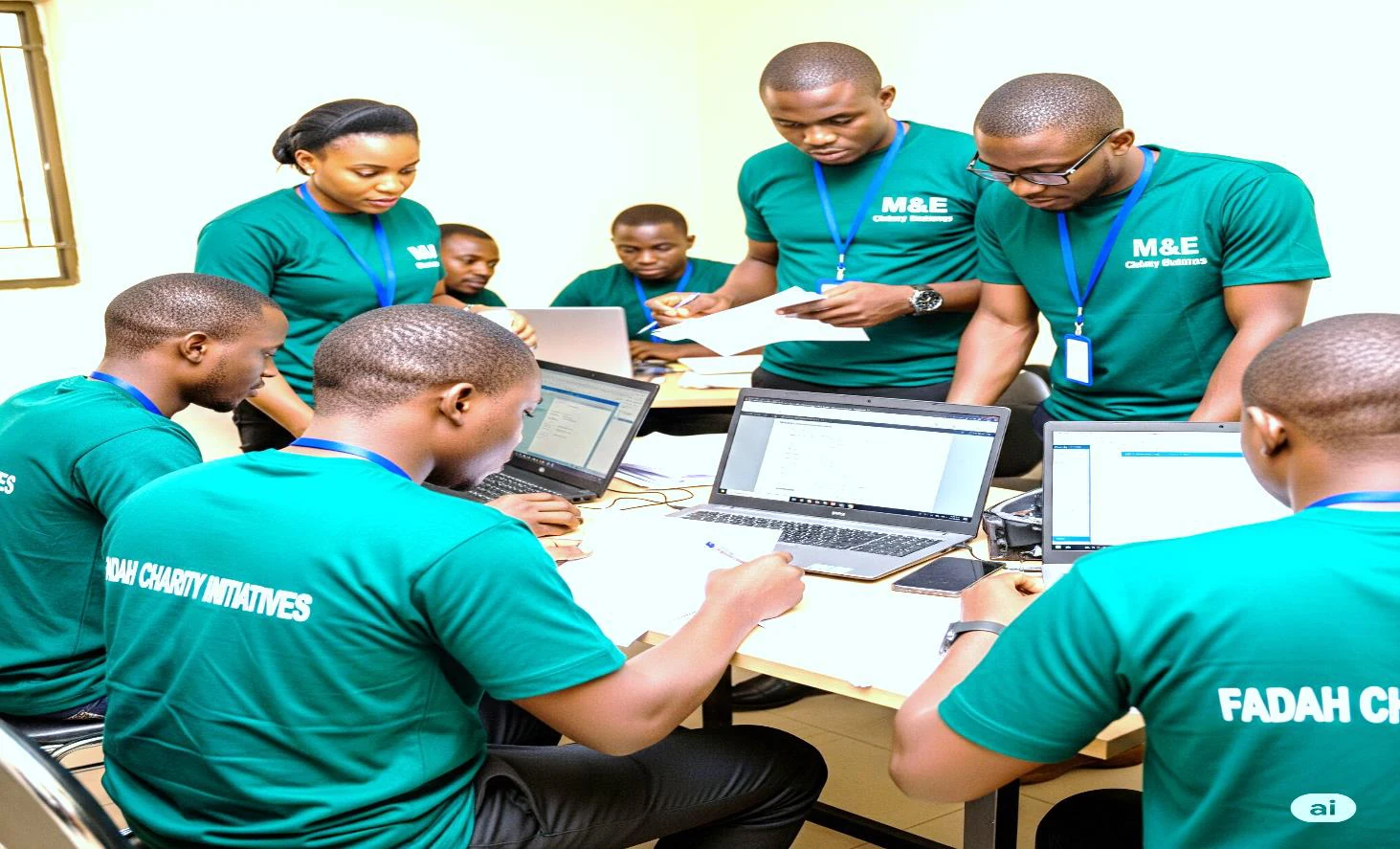
FCI uses activity tracking tools, field visits, spot-checks, review meetings, feedback sessions, and donor reporting systems to maintain program quality and accountability.
Monitoring, Evaluation, Accountability & LearningField monitoring, data collection, lesson tracking, and review meetings.
Feedback mechanismsHelp desks, suggestion boxes, and direct feedback sessions across camps.
Donor complianceBudget tracking, audit-ready records, narrative reports, and financial reports.
Risk managementRisk assessments, security briefings, flexible planning, and operational controls.
Contact FCI
Partner, coordinate, or request more information.
Use the contact details below or send a message through the form. The form opens your email client so the site works without a backend server.
fadah.charity.initiatives@outlook.com
+234 802 783 9945
+234 803 073 7776
No. 5, Gamboru Ngala Road, Beside NRCS Office, Dikwa Town, Dikwa, Borno State, Nigeria